
Corporate Governance Best Practices
A Comprehensive Guide for Public Sector Leaders and Organizations
Effective corporate governance is the foundation of accountable, transparent, and high-performing organizations. In both the public and private sectors, strong governance frameworks promote ethical leadership, sound decision-making, risk management, and stakeholder trust.
As governments, state-owned enterprises, municipalities, and public institutions face increasing scrutiny and complexity, adopting corporate governance best practices has become essential for sustainable success and responsible stewardship of resources.
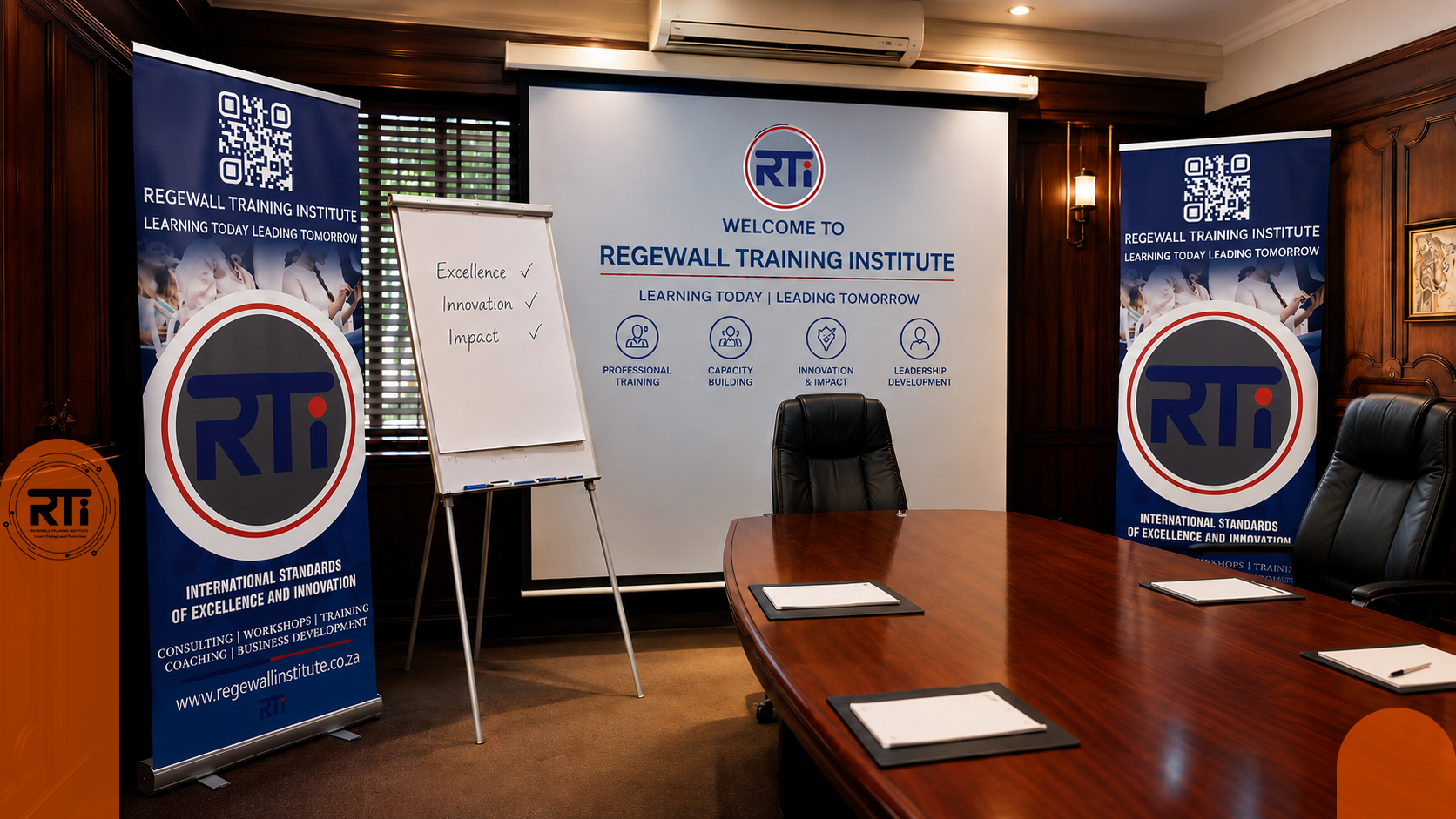
At Regewall Training Institute, governance capacity-building programs are designed to equip leaders, board members, executives, and public officials with the knowledge and practical skills needed to implement effective governance frameworks and strengthen institutional performance.
What Is Corporate Governance?
Corporate governance refers to the systems, policies, processes, and relationships through which organizations are directed and controlled.
According to the OECD, good governance helps strengthen accountability, transparency, integrity, and organizational performance.
A strong governance framework clarifies:
- Roles and responsibilities
- Decision-making authority
- Accountability mechanisms
- Risk oversight
- Ethical standards
- Stakeholder engagement
- Performance monitoring
Effective governance ensures that organizations achieve their objectives while maintaining public confidence and organizational integrity.
Why Corporate Governance Matters
Organizations with strong governance structures are better positioned to:
- Improve strategic decision-making
- Strengthen public trust
- Enhance accountability
- Reduce operational risks
- Prevent fraud and corruption
- Improve resource management
- Achieve long-term sustainability
- Foster ethical leadership
For public institutions, governance excellence is particularly important because leaders are responsible for managing public resources and delivering services that directly affect citizens.
Corporate Governance Best Practices
1. Clearly Define Roles and Responsibilities
One of the most important governance principles is clarity in leadership structures.
Boards, executives, management teams, and oversight bodies should have clearly defined responsibilities to avoid confusion and duplication.
Best practices include:
- Documented governance structures
- Clearly defined reporting lines
- Board charters and committee mandates
- Separation of oversight and operational functions
When roles are clearly understood, organizations improve accountability and decision-making effectiveness.
2. Promote Transparency and Disclosure
Transparency is a cornerstone of good governance.
Organizations should establish systems that ensure stakeholders receive timely and accurate information regarding organizational performance, finances, risks, and strategic priorities.
Key practices include:
- Regular financial reporting
- Open decision-making processes
- Public disclosure of relevant information
- Transparent procurement procedures
- Consistent stakeholder communication
Transparent organizations are more likely to earn stakeholder confidence and maintain credibility.
3. Strengthen Board Effectiveness
An effective board provides strategic guidance while maintaining oversight responsibilities.
Strong boards typically:
- Possess diverse expertise
- Understand governance obligations
- Focus on long-term strategy
- Monitor organizational performance
- Oversee risk management
- Promote ethical leadership
International governance frameworks such as the G20/OECD Principles of Corporate Governance emphasize the importance of effective board responsibilities and oversight.
4. Establish Strong Ethical Frameworks
Ethics and integrity are at the heart of governance excellence.
Organizations should promote ethical conduct through:
- Codes of conduct
- Conflict-of-interest policies
- Anti-corruption measures
- Whistleblower protection mechanisms
- Ethics training programs
Strong ethical cultures reduce misconduct and strengthen organizational reputation.
5. Improve Risk Management
Governance and risk management are closely connected.
Organizations should identify, assess, monitor, and mitigate risks that may impact strategic objectives.
Governance leaders should regularly evaluate:
- Financial risks
- Operational risks
- Compliance risks
- Reputational risks
- Cybersecurity threats
- Strategic risks
A proactive risk management culture supports organizational resilience and sustainability.
6. Enhance Accountability Mechanisms
Accountability ensures that leaders and decision-makers remain responsible for their actions and outcomes.
Best practices include:
- Performance measurement systems
- Internal controls
- Independent audits
- Regular governance reviews
- Compliance monitoring
Accountability frameworks help ensure organizational resources are used efficiently and responsibly.
7. Foster Stakeholder Engagement
Good governance recognizes the importance of stakeholder relationships.
Public institutions and organizations should engage with:
- Citizens
- Customers
- Employees
- Regulators
- Investors
- Community groups
- Development partners
Meaningful stakeholder engagement improves decision-making and supports better organizational outcomes.
Corporate Governance for Public Sector Organizations
Governance principles are particularly important in government institutions, municipalities, regulatory bodies, and state-owned enterprises.
Professionals seeking to strengthen their understanding of corporate governance for public sector frameworks can benefit from internationally recognized governance principles that emphasize accountability, transparency, integrity, and effective public administration.
Public sector governance helps ensure that institutions:
- Deliver quality public services
- Manage public resources responsibly
- Maintain public confidence
- Improve policy implementation
- Strengthen institutional performance
Strong governance structures support effective leadership and long-term development outcomes.
Common Governance Challenges
Despite growing awareness of governance importance, many organizations face challenges such as:
- Weak oversight mechanisms
- Lack of accountability
- Poor board performance
- Inadequate risk management
- Limited transparency
- Regulatory non-compliance
- Ethical misconduct
- Ineffective stakeholder communication
Addressing these challenges requires both leadership commitment and continuous professional development.
The Importance of corporate governance training
Governance frameworks are only effective when leaders understand how to apply them in practice.
Comprehensive corporate governance training helps participants develop practical skills in governance leadership, board oversight, strategic management, compliance, ethics, and risk management.
Benefits of governance training include:
- Improved leadership effectiveness
- Enhanced governance compliance
- Stronger organizational accountability
- Better risk management practices
- Increased board performance
- Greater organizational resilience
Training ensures that governance principles move beyond policy documents and become embedded in organizational culture.
Why Enroll in a Governance Short Course?
Professionals often require focused learning opportunities that can be applied immediately in their roles.
A governance short course provides targeted knowledge and practical tools for strengthening governance systems without requiring lengthy academic commitments.
Participants typically learn about:
- Governance principles
- Board management
- Risk oversight
- Ethics and integrity
- Accountability systems
- Strategic leadership
- Performance evaluation
- Governance compliance
These short courses offer valuable development opportunities for executives, board members, managers, and public officials.
Emerging Trends in Corporate Governance
ESG and Sustainability Governance
Organizations increasingly integrate environmental, social, and governance (ESG) considerations into strategic planning and oversight.
Governance leaders are expected to monitor sustainability risks and opportunities while ensuring responsible business practices.
Digital Governance
As digital transformation accelerates, organizations must address issues such as:
- Cybersecurity oversight
- Data governance
- Artificial intelligence governance
- Digital compliance
- Technology risk management
Governance professionals must develop new competencies to oversee digital environments effectively.
Governance in State-Owned Enterprises
State-owned enterprises play a significant role in many economies and require robust governance structures to ensure accountability, efficiency, and performance.
International governance standards increasingly emphasize strong oversight and transparency in these organizations.
Why Choose Regewall Training Institute?
Regewall Training Institute is committed to strengthening governance capacity across public institutions, government agencies, municipalities, and corporate organizations.
Participants benefit from:
- Practical governance-focused curriculum
- Experienced facilitators
- Real-world case studies
- Public sector relevance
- Interactive learning methodologies
- Leadership development perspectives
- Current governance best practices
Whether pursuing specialized governance development programs, board effectiveness training, or executive leadership courses, participants gain actionable knowledge that supports stronger organizational performance.
Conclusion
Corporate governance is far more than compliance; it is a strategic framework that enables organizations to achieve accountability, transparency, integrity, and long-term success.
By implementing corporate governance best practices, organizations can strengthen leadership effectiveness, improve oversight, mitigate risks, and build stakeholder trust. For public institutions in particular, good governance is essential for responsible management of public resources and effective service delivery.
Through high-quality learning programs and practical capacity-building initiatives, Regewall Training Institute helps leaders develop the governance capabilities needed to navigate modern organizational challenges and create sustainable institutional impact.