Archives July 2026

AI Ecosystem

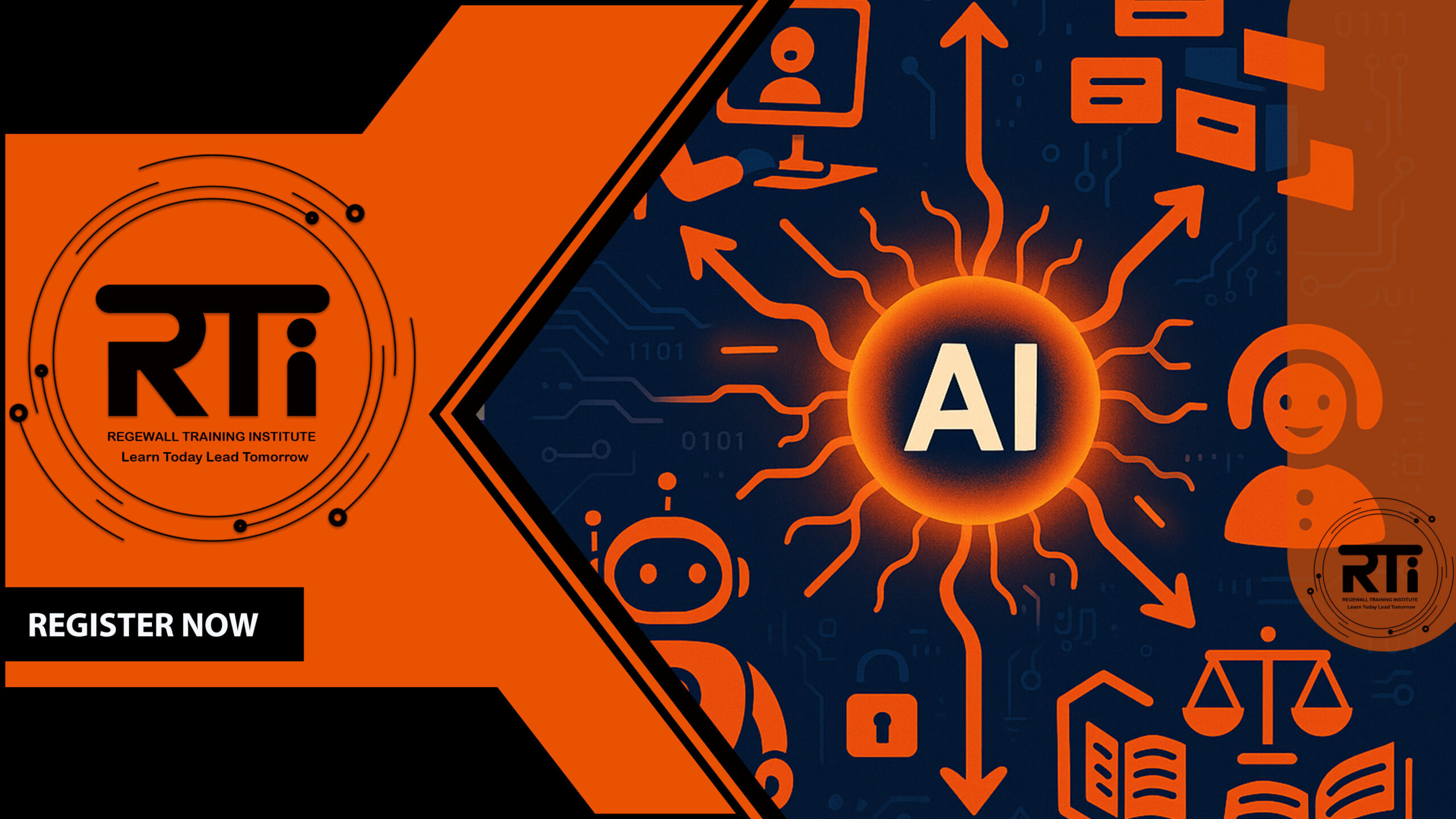
Artificial Intelligence (AI) is rapidly transforming the way people live, work, learn, and conduct business. From intelligent virtual assistants and automated customer service systems to advanced medical diagnostics and smart manufacturing, AI has become a cornerstone of digital transformation. However, AI does not operate in isolation. Its success depends on a network of technologies, data, infrastructure, people, processes, and governance frameworks working together. This interconnected network is known as the AI Ecosystem.

At Regewall Training Institute, we believe that understanding the AI ecosystem is essential for organizations, professionals, educators, and students who want to thrive in the digital age. A strong AI ecosystem creates an environment where innovation, collaboration, and intelligent decision-making can flourish, supporting economic growth and meaningful social progress.


What Is an AI Ecosystem?

An AI ecosystem is a comprehensive environment that brings together the components required to develop, deploy, monitor, and continuously improve artificial intelligence solutions. It includes technologies, infrastructure, human expertise, data sources, regulatory frameworks, and business applications that collectively enable AI systems to function effectively and responsibly.

Rather than focusing solely on AI models, an ecosystem approach recognizes that successful AI implementation requires coordination among multiple stakeholders, including:

  • Technology providers
  • Businesses and industries
  • Educational institutions
  • Governments and regulators
  • Researchers and innovators
  • End-users and communities

Together, these participants create a dynamic environment that accelerates AI adoption and innovation.

Key Components of an AI Ecosystem

1. Data: The Foundation of AI

Data is often referred to as the “fuel” of artificial intelligence. AI systems rely on large volumes of high-quality data to learn patterns, make predictions, and generate insights.

Essential Data Functions

  • Data collection from multiple sources
  • Data storage and management
  • Data cleaning and processing
  • Data integration and sharing
  • Data security and privacy protection

Without reliable and well-structured data, even the most sophisticated AI models cannot produce accurate results.


2. AI Algorithms and Models

At the heart of every AI system are algorithms that enable machines to learn from data and improve their performance over time.

Major AI Technologies

  • Machine Learning (ML)
  • Deep Learning (DL)
  • Natural Language Processing (NLP)
  • Computer Vision
  • Reinforcement Learning
  • Generative AI

These technologies enable AI systems to recognize patterns, understand language, analyze images, automate tasks, and support decision-making processes.


3. Computing Infrastructure

AI applications require powerful computing resources to process large datasets and train complex models.

Infrastructure Components

  • Cloud Computing Platforms
  • Data Centers
  • High-Performance Computing Systems
  • Graphics Processing Units (GPUs)
  • Edge Computing Devices

Modern cloud infrastructure allows organizations to scale AI solutions efficiently while reducing operational costs.


4. Software and Development Platforms

AI development is supported by various software tools and platforms that simplify model creation, testing, and deployment.

Examples Include

  • AI development frameworks
  • Data analytics platforms
  • Automation software
  • Visualization tools
  • Application Programming Interfaces (APIs)
  • AI model management systems

These technologies make AI development more accessible and accelerate innovation.


5. Human Capital and Skills Development

While technology powers AI, people remain central to its success. Skilled professionals are needed to design, implement, maintain, and govern AI systems.

Key AI Professionals

  • Data Scientists
  • AI Engineers
  • Machine Learning Specialists
  • Data Analysts
  • Software Developers
  • AI Ethics Specialists
  • Cybersecurity Experts

Regewall Training Institute plays a vital role in preparing learners and professionals with the knowledge and practical skills required in the AI-driven economy.


6. Governance, Ethics, and Compliance

As AI becomes more integrated into society, ethical considerations and governance become increasingly important.

Principles of Responsible AI

  • Transparency
  • Accountability
  • Fairness
  • Privacy Protection
  • Security
  • Human Oversight

Strong governance frameworks help organizations manage risks while ensuring AI technologies are used responsibly and ethically.


Applications of the AI Ecosystem

Healthcare

AI is revolutionizing healthcare by improving diagnosis, treatment, and patient outcomes.

Applications Include

  • Medical imaging analysis
  • Disease prediction
  • Personalized medicine
  • Virtual health assistants
  • Drug discovery

AI enables healthcare providers to deliver more accurate and efficient care.


Education

Modern educational systems use AI to enhance teaching and learning experiences.

Benefits

  • Personalized learning pathways
  • Intelligent tutoring systems
  • Automated assessments
  • Student performance analytics
  • Virtual learning assistants

AI helps educators improve learning outcomes while supporting individual student needs.


Finance and Banking

The financial sector has become one of the largest adopters of AI technologies.

Common Uses

  • Fraud detection
  • Risk management
  • Credit scoring
  • Algorithmic trading
  • Customer support automation

AI enables financial institutions to improve security, efficiency, and customer satisfaction.


Manufacturing and Industry

Smart factories rely heavily on AI-powered systems.

Industrial Applications

  • Predictive maintenance
  • Automated production lines
  • Robotics
  • Quality assurance
  • Supply chain optimization

These technologies increase productivity while reducing operational costs.


Retail and E-Commerce

Retail businesses use AI to understand customer behavior and optimize operations.

Benefits

  • Product recommendations
  • Inventory management
  • Demand forecasting
  • Customer service chatbots
  • Personalized marketing

AI allows businesses to provide better customer experiences and improve profitability.


Benefits of a Strong AI Ecosystem

Organizations that invest in building a comprehensive AI ecosystem gain several advantages.

Improved Decision-Making

AI analyzes large datasets and generates valuable insights that support strategic decisions.

Increased Efficiency

Automation reduces repetitive tasks, allowing employees to focus on higher-value activities.

Innovation and Growth

AI creates opportunities for new products, services, and business models.

Enhanced Customer Experiences

Organizations can deliver faster, more personalized, and more effective services.

Competitive Advantage

Businesses with advanced AI capabilities often achieve greater market competitiveness and adaptability.


Challenges Facing AI Ecosystems

Despite its enormous potential, AI adoption presents several challenges.

Key Challenges

  • Data quality and availability
  • Skills shortages
  • Cybersecurity threats
  • Ethical concerns
  • Regulatory compliance
  • High implementation costs
  • Resistance to organizational change

Addressing these challenges requires collaboration among stakeholders within the ecosystem.


The Future of the AI Ecosystem

The AI Ecosystem continues to evolve as technology advances. Emerging innovations such as Generative AI, autonomous systems, quantum computing, and intelligent robotics are expected to reshape industries and societies in unprecedented ways.

Future Trends

  • Human-AI collaboration
  • Autonomous decision-making systems
  • AI-powered sustainability initiatives
  • Smart cities and connected infrastructure
  • AI-enhanced cybersecurity
  • Expansion of AI education and workforce development

Organizations that embrace these developments will be better positioned to succeed in the digital future.


Conclusion

The AI Ecosystem represents far more than a collection of technologies. It is a collaborative environment where data, infrastructure, innovation, governance, and human expertise converge to create intelligent solutions that address real-world challenges. As industries increasingly rely on AI to drive transformation, the importance of building a strong and sustainable ecosystem cannot be overstated.

Regewall Training Institute is committed to empowering individuals and organizations with the knowledge, skills, and practical experience needed to participate effectively in the evolving AI landscape. Through education, training, and innovation, we believe that a well-developed AI Ecosystem will serve as the foundation for future economic growth, technological advancement, and societal progress.

Building Ethical Leadership in African Public Institutions

Strengthening Governance, Accountability, and Public Trust Through Ethical Leadership

Ethical leadership has become one of the most critical requirements for successful governance across Africa. As public institutions face growing expectations from citizens, development partners, businesses, and stakeholders, the demand for accountable, transparent, and responsible leadership continues to increase.

Public institutions are entrusted with managing public resources, implementing national policies, delivering essential services, and driving socio-economic development. However, institutional success depends not only on systems and policies but also on the integrity and ethical conduct of the leaders who guide these organizations.

When ethical leadership is absent, institutions often face challenges such as corruption, mismanagement, poor decision-making, reduced public trust, and ineffective service delivery. Conversely, when leaders consistently demonstrate integrity, accountability, and professionalism, organizations become more resilient, efficient, and capable of delivering meaningful results.

At Regewall Training Institute, we believe that building ethical leadership is fundamental to creating strong public institutions and promoting sustainable development across Africa.


Understanding Ethical Leadership

Ethical leadership refers to the practice of leading with honesty, fairness, integrity, accountability, and a commitment to the public good. Ethical leaders make decisions based on moral principles and organizational values rather than personal interests.

They consistently demonstrate:

  • Integrity
  • Transparency
  • Accountability
  • Fairness
  • Respect for others
  • Responsibility
  • Professionalism
  • Commitment to public service

Ethical leaders not only follow rules and regulations but also set positive examples that influence the behavior of employees throughout the organization.


Why Ethical Leadership Matters in Public Institutions

Unlike private organizations, public institutions are accountable to citizens and are responsible for managing resources intended to benefit entire communities.

The actions of public sector leaders directly affect:

  • Public trust
  • Economic development
  • Service delivery
  • Institutional reputation
  • Governance outcomes
  • Investor confidence
  • Social stability

When citizens perceive leaders as ethical and trustworthy, confidence in public institutions increases. This creates stronger relationships between governments and the communities they serve.


The Current Challenges Facing Public Leadership in Africa

Many African countries have made significant progress in governance reforms and institutional development. However, public institutions still face challenges that underscore the need for stronger ethical leadership.

Common challenges include:

Corruption and Mismanagement

Corruption undermines development efforts, diverts resources, and weakens public confidence in institutions.

Lack of Accountability

When leaders are not held accountable for decisions and actions, organizational performance often suffers.

Conflicts of Interest

Public officials may face situations where personal interests conflict with their responsibilities to the public.

Weak Organizational Cultures

In some institutions, ethical standards may not be clearly defined or consistently enforced.

Increasing Public Expectations

Citizens are demanding greater transparency, responsiveness, and accountability from public institutions.

Addressing these challenges requires deliberate investment in ethical leadership development.


Characteristics of Ethical Leaders in Public Administration

1. Integrity

Integrity is the foundation of ethical leadership.

Leaders with integrity:

  • Act honestly
  • Keep their commitments
  • Adhere to established rules and principles
  • Demonstrate consistency between words and actions

Integrity builds trust and credibility within organizations and among stakeholders.

2. Accountability

Ethical leaders accept responsibility for their decisions and actions.

They:

  • Promote transparency
  • Monitor performance
  • Encourage responsibility at all organizational levels
  • Address mistakes openly and constructively

Accountability strengthens institutional performance and public confidence.

3. Transparency

Transparency involves openness in decision-making and organizational processes.

Transparent leaders:

  • Share relevant information
  • Communicate honestly
  • Encourage stakeholder participation
  • Promote informed decision-making

Transparency helps reduce opportunities for corruption and misconduct.

4. Fairness and Equity

Ethical leaders make decisions based on objective criteria rather than favoritism, discrimination, or personal interests.

Fair leadership promotes:

  • Equal opportunities
  • Respect for diversity
  • Inclusive decision-making
  • Employee morale

Organizations that value fairness tend to be more productive and cohesive.

5. Commitment to Public Interest

Public leaders must prioritize the needs of citizens above personal gain.

Ethical leaders focus on:

  • Service delivery
  • Community development
  • Responsible resource management
  • Long-term societal benefits

Their decisions are guided by what is best for the institution and the public it serves.


The Impact of Ethical Leadership on Public Service Delivery

Ethical leadership directly influences the quality of public services.

When leaders demonstrate integrity and accountability:

  • Resources are used more effectively
  • Employees perform with greater commitment
  • Decision-making improves
  • Public trust increases
  • Service delivery becomes more efficient

Employees are more likely to uphold ethical standards when they see leaders modeling the desired behavior.

As a result, ethical leadership creates a ripple effect throughout the organization.


Building an Ethical Organizational Culture

Ethical leadership extends beyond individual behavior. It involves creating an organizational culture where ethical conduct is expected, supported, and rewarded.

Key elements include:

Defining Core Values

Institutions should clearly communicate values such as:

  • Integrity
  • Accountability
  • Professionalism
  • Respect
  • Transparency

Values provide guidance for decision-making and employee conduct.

Establishing Ethical Policies

Strong policies help employees understand acceptable standards of behavior and organizational expectations.

Examples include:

  • Codes of conduct
  • Anti-corruption policies
  • Conflict-of-interest guidelines
  • Whistleblower protection mechanisms

Encouraging Ethical Decision-Making

Leaders should create environments where employees can raise concerns, seek guidance, and discuss ethical dilemmas without fear of retaliation.

Recognizing Ethical Behavior

Organizations that reward ethical conduct reinforce positive workplace cultures and encourage employees to uphold high standards.


The Role of Training in Developing Ethical Leaders

Ethical leadership is not merely an inherent trait it can be strengthened through education, mentorship, and professional development.

Leadership training helps public servants:

  • Understand ethical principles
  • Improve decision-making skills
  • Identify ethical risks
  • Manage conflicts of interest
  • Strengthen accountability practices
  • Promote good governance

Through structured learning opportunities, institutions can cultivate leaders who are prepared to navigate complex ethical challenges effectively.


Governance and Ethical Leadership

Good governance and ethical leadership are closely connected.

Effective governance requires leaders who:

  • Uphold the rule of law
  • Ensure accountability
  • Manage resources responsibly
  • Support transparency
  • Promote stakeholder participation

Strong ethical leadership contributes to:

  • Reduced corruption
  • Better regulatory compliance
  • Improved financial management
  • Enhanced organizational performance

Ultimately, ethical leaders strengthen governance systems and institutional effectiveness.


Ethical Leadership in the Era of Digital Transformation

As public institutions increasingly adopt digital technologies, ethical leadership remains essential.

Leaders must ensure responsible management of:

  • Public data
  • Digital systems
  • Information security
  • Artificial intelligence applications
  • Citizen privacy

Ethical considerations are becoming increasingly important as technology transforms public administration.

Leaders must balance innovation with accountability, transparency, and the protection of public interests.


Benefits of Ethical Leadership in Public Institutions

Organizations that prioritize ethical leadership often experience significant long-term benefits.

These include:

Increased Public Trust

Citizens are more likely to trust institutions that demonstrate integrity and accountability.

Improved Organizational Performance

Ethical workplaces promote efficiency, collaboration, and higher employee engagement.

Better Decision-Making

Ethical frameworks help leaders make objective and responsible decisions.

Reduced Risk

Strong ethical practices minimize the likelihood of misconduct, corruption, and governance failures.

Enhanced Reputation

Institutions known for ethical leadership often attract stronger partnerships, investment opportunities, and stakeholder support.


Strategies for Strengthening Ethical Leadership in African Public Institutions

To build sustainable ethical leadership, institutions should:

Invest in Leadership Development

Provide ongoing training and capacity-building programmes for leaders at all levels.

Promote Accountability Systems

Implement performance management, audit controls, and oversight mechanisms.

Strengthen Governance Frameworks

Ensure policies and procedures support ethical conduct and compliance.

Encourage Transparency

Foster open communication and public participation in decision-making.

Lead by Example

Senior leaders must consistently model ethical behavior and organizational values.

Create a Culture of Learning

Encourage continuous professional development focused on ethics, governance, and leadership excellence.


How Regewall Training Institute Supports Ethical Leadership Development

At Regewall Training Institute, we are committed to developing ethical, accountable, and effective leaders for public institutions across Africa.

Our professional training programmes are designed to strengthen competencies in:

  • Ethical Leadership
  • Governance and Compliance
  • Public Administration
  • Strategic Management
  • Risk Management
  • Performance Management
  • Anti-Corruption Practices
  • Financial Accountability
  • Change Management
  • Organizational Development

Our practical and results-oriented training equips leaders with the knowledge and skills needed to foster ethical workplaces, improve governance, and enhance institutional performance.


Conclusion

Ethical leadership is the cornerstone of effective public administration and sustainable development. As African public institutions navigate increasingly complex challenges, the need for leaders who demonstrate integrity, accountability, transparency, and professionalism has never been greater.

By investing in ethical leadership development, institutions can strengthen governance, improve service delivery, build public trust, and create a lasting positive impact for citizens and communities.

At Regewall Training Institute, we are proud to support the development of ethical leaders who are committed to excellence, responsible governance, and the advancement of Africa’s public institutions.

Partner with Regewall Training Institute

Empower your leaders with the skills and ethical foundations needed to drive accountability, strengthen governance, and deliver exceptional public service. Together, we can build stronger institutions and a more prosperous future for Africa.

How Skills Development Can Improve Municipal Performance

Empowering Local Governments to Deliver Better Services Through Professional Training

Municipalities play a critical role in the economic and social development of communities across Africa. They are responsible for providing essential services such as water and sanitation, electricity distribution, waste management, road maintenance, housing, public safety, and local economic development. The quality of these services directly affects the daily lives of citizens and the growth of local economies.

However, many municipalities continue to face significant challenges, including resource constraints, skills shortages, service delivery backlogs, governance concerns, technological changes, and increasing public expectations. Addressing these challenges requires more than infrastructure investment and policy reforms it requires investing in the people responsible for delivering services.

Skills development has become one of the most effective strategies for improving municipal performance, enhancing service delivery, and strengthening governance. By equipping municipal employees and leaders with the right knowledge, competencies, and practical skills, municipalities can improve operational efficiency, accountability, and responsiveness to community needs.

At Regewall Training Institute, we believe that building capable municipal workforces is essential for creating sustainable, high-performing local governments that can effectively serve their communities.


The Importance of Skills Development in Municipalities

Municipal officials operate in increasingly complex environments. They must navigate changing regulations, manage public resources responsibly, engage with stakeholders, oversee infrastructure projects, and respond to citizens’ needs—all while maintaining transparency and accountability.

Without the necessary skills and competencies, even the best policies and development plans may fail to achieve their intended outcomes.

Skills development enables municipalities to:

  • Improve service delivery
  • Increase employee productivity
  • Enhance governance and accountability
  • Strengthen leadership capacity
  • Improve project implementation
  • Support innovation and modernization
  • Build public trust

A skilled workforce forms the foundation of effective local government.


Understanding the Skills Gap in Municipal Administration

Many municipalities face skills shortages in critical areas such as:

  • Financial management
  • Project management
  • Strategic planning
  • Governance and compliance
  • Supply chain management
  • Asset management
  • Leadership and management
  • Monitoring and evaluation
  • Information technology
  • Customer service

These gaps often result in operational inefficiencies, project delays, poor financial management, and reduced service quality.

Investing in targeted training programmes helps municipalities close these gaps and improve overall organizational performance.


Enhancing Service Delivery Through Skills Development

1. Improving Operational Efficiency

Well-trained employees are more capable of performing their duties effectively and efficiently. Training helps staff understand procedures, regulations, and best practices, enabling them to deliver services more consistently.

Improved operational efficiency can lead to:

  • Faster service delivery
  • Reduced administrative errors
  • Better resource utilization
  • Improved departmental coordination
  • Increased productivity

As employees become more competent, municipalities can provide better services while maximizing limited resources.


2. Strengthening Leadership and Management Capacity

Effective municipal performance depends heavily on strong leadership.

Municipal managers, department heads, supervisors, and team leaders require skills that enable them to:

  • Develop strategic plans
  • Manage teams effectively
  • Make informed decisions
  • Resolve challenges proactively
  • Drive organizational change
  • Monitor performance

Leadership development programmes equip municipal leaders with the capabilities needed to guide their organizations toward achieving service delivery goals.

Strong leadership creates a culture of accountability, professionalism, and continuous improvement.


3. Improving Financial Management

Sound financial management is essential for municipal sustainability.

Municipal officials responsible for budgeting, procurement, revenue collection, and expenditure management must possess the knowledge and skills necessary to ensure responsible use of public funds.

Financial management training can improve:

  • Budget planning and control
  • Financial reporting
  • Revenue enhancement strategies
  • Risk management
  • Procurement compliance
  • Audit readiness

Better financial management ultimately leads to improved service delivery and greater public confidence.


Strengthening Governance and Accountability

Good governance remains a cornerstone of effective municipal administration.

Training in governance, ethics, compliance, and risk management helps municipal employees understand their responsibilities and adhere to legislative requirements.

Key benefits include:

  • Improved accountability
  • Enhanced transparency
  • Reduced risk of misconduct
  • Better compliance with regulations
  • Strengthened institutional integrity

Citizens are more likely to trust municipalities that demonstrate ethical leadership and responsible management practices.


Improving Project Management Performance

Municipalities frequently oversee large-scale projects involving infrastructure development, community facilities, housing initiatives, and service delivery improvements.

Unfortunately, many projects experience delays, budget overruns, or implementation challenges due to limited project management expertise.

Professional training in project management helps employees develop skills in:

  • Project planning
  • Resource management
  • Risk assessment
  • Scheduling and coordination
  • Performance monitoring
  • Quality assurance

A skilled project management workforce improves the likelihood of successful project completion and positive community outcomes.


Supporting Digital Transformation in Local Government

Technology is rapidly transforming the way municipalities operate and engage with citizens.

Many local governments are adopting:

  • Electronic records systems
  • Digital billing platforms
  • Smart service delivery solutions
  • Geographic Information Systems (GIS)
  • Online customer service portals
  • Data management systems

To fully benefit from these technologies, employees must possess the necessary digital skills.

Training in digital competencies helps municipalities:

  • Improve efficiency
  • Enhance data management
  • Reduce manual processes
  • Improve decision-making
  • Deliver services more effectively

Digital transformation can only succeed when supported by a digitally capable workforce.


Enhancing Citizen Engagement and Customer Service

Municipal employees are often the first point of contact between local government and the public.

The quality of these interactions significantly influences public perceptions of municipal performance.

Customer service and stakeholder engagement training helps employees:

  • Communicate professionally
  • Handle complaints effectively
  • Resolve conflicts efficiently
  • Build positive relationships with communities
  • Improve responsiveness to public concerns

When citizens feel heard and respected, trust in local government increases.


Building a Culture of Continuous Improvement

High-performing municipalities recognize that learning should be an ongoing process rather than a once-off event.

Continuous professional development encourages employees to:

  • Stay updated on regulatory changes
  • Learn new technologies
  • Improve workplace performance
  • Develop leadership skills
  • Adapt to evolving community needs

A culture of continuous learning fosters innovation, resilience, and long-term organizational success.


The Economic Impact of Skilled Municipal Workforces

Skills development not only improves internal municipal performance but also contributes to broader economic growth.

Effective municipalities are better able to:

  • Attract investment
  • Support local businesses
  • Improve infrastructure delivery
  • Create employment opportunities
  • Enhance community development

When municipalities function efficiently, communities become more attractive places to live, work, and invest.

As a result, skills development serves as both an organizational and economic development strategy.


Measuring the Return on Investment in Training

Municipal leaders often ask whether training delivers measurable results.

The answer is yes.

The benefits of skills development can often be seen through:

  • Improved service delivery outcomes
  • Reduced operational inefficiencies
  • Better audit results
  • Increased employee productivity
  • Stronger governance compliance
  • Improved project completion rates
  • Higher citizen satisfaction levels

Training should therefore be viewed not as a cost, but as a strategic investment that generates long-term value.


How Regewall Training Institute Supports Municipal Excellence

At Regewall Training Institute, we are committed to strengthening the capacity of municipalities and public sector institutions across Africa through practical, industry-focused training programmes.

Our training solutions are designed to help municipal leaders and employees develop the competencies required to improve organizational performance and service delivery.

We provide professional development programmes in areas including:

  • Municipal Administration
  • Leadership and Management
  • Governance and Compliance
  • Strategic Planning
  • Financial Management
  • Supply Chain Management
  • Project Management
  • Monitoring and Evaluation
  • Customer Service Excellence
  • Human Resource Management
  • Digital Transformation
  • Risk Management

Our programmes combine practical knowledge, real-world applications, and best practices to help municipalities achieve measurable improvements in performance.


Conclusion

Municipalities are central to sustainable development and improved quality of life for communities across Africa. However, achieving service delivery excellence requires more than policies, systems, and infrastructure it requires a skilled, capable, and motivated workforce.

By investing in continuous skills development, municipalities can strengthen leadership, improve governance, enhance operational efficiency, deliver projects successfully, and provide better services to citizens.

As communities continue to demand greater accountability and higher-quality services, skills development will remain one of the most powerful drivers of municipal performance and transformation.

Regewall Training Institute is proud to support municipalities in building the skills, expertise, and leadership needed to create stronger institutions and more prosperous communities across Africa.

Partner with Regewall Training Institute

Empower your municipal workforce with the knowledge and skills necessary to drive service delivery excellence, improve governance, and achieve sustainable development goals. Together, we can build capable municipalities that deliver lasting value to the communities they serve.

Strengthening Public Service Delivery Through Professional Training

Building Competent Institutions for Sustainable Development Across Africa

Public service delivery is one of the most important functions of government and public sector institutions. Citizens rely on public institutions for essential services such as healthcare, education, infrastructure development, water and sanitation, public safety, housing, and social welfare. The effectiveness of these services directly impacts economic growth, social stability, and the overall quality of life within communities.

Across Africa, governments and public institutions face increasing pressure to deliver high-quality services while managing limited resources, evolving regulations, technological changes, and growing citizen expectations. To meet these challenges successfully, institutions must invest in their most valuable asset, their people.

Professional training has emerged as one of the most effective tools for strengthening public service delivery. By equipping public sector employees with the knowledge, skills, and competencies needed to perform their duties effectively, organizations can improve efficiency, enhance accountability, and deliver better outcomes for citizens.

At Regewall Training Institute, we believe that continuous professional development is essential for building capable, responsive, and high-performing public institutions throughout Africa.


The Importance of Effective Public Service Delivery

Public service delivery is more than simply providing services to citizens. It involves ensuring that services are:

  • Accessible
  • Efficient
  • Reliable
  • Transparent
  • Timely
  • Citizen-centered

When services are delivered effectively, public trust increases, economic development accelerates, and communities thrive. Conversely, poor service delivery can lead to citizen dissatisfaction, reduced confidence in institutions, and slower development progress.

For many public institutions, improving service delivery begins with improving workforce competence and organizational capacity.


The Link Between Professional Training and Service Delivery

Professional training provides employees with the practical tools and knowledge required to perform their roles effectively. It helps public servants navigate complex challenges, make informed decisions, and deliver services more efficiently.

Training enables employees to:

  • Understand policies and regulations
  • Improve technical competencies
  • Strengthen communication skills
  • Enhance leadership capabilities
  • Increase productivity
  • Improve customer service
  • Adapt to changing environments

A well-trained workforce is more capable of meeting organizational objectives while maintaining high standards of service excellence.


Common Challenges Affecting Public Service Delivery

Many public institutions across Africa face challenges that hinder effective service delivery. These often include:

Skills Gaps

Employees may lack the specialized skills required to implement modern systems, manage projects, analyze data, or deliver services effectively.

Rapid Technological Change

Digital transformation is reshaping public administration. Employees who are not adequately trained may struggle to use new technologies efficiently.

Resource Constraints

Limited budgets often require institutions to maximize available resources while maintaining service quality.

Leadership Challenges

Poor leadership can negatively affect employee morale, decision-making, and organizational performance.

Regulatory Complexity

Public servants must stay updated on evolving laws, regulations, and governance frameworks.

Professional training helps address these challenges by building organizational capacity and improving workforce competence.


Key Ways Professional Training Strengthens Public Service Delivery

1. Improving Employee Competence

Training equips employees with the technical and professional skills necessary to perform their responsibilities confidently and effectively.

Examples include:

  • Public administration skills
  • Financial management
  • Procurement practices
  • Project management
  • Monitoring and evaluation
  • Strategic planning

As employees become more knowledgeable, service quality and operational efficiency improve.

2. Enhancing Productivity and Efficiency

Trained employees are better able to complete tasks accurately and within expected timeframes. They can identify inefficiencies, improve processes, and utilize resources more effectively.

Benefits include:

  • Reduced operational delays
  • Faster decision-making
  • Better workflow management
  • Improved service turnaround times

Ultimately, citizens receive services more quickly and effectively.

3. Strengthening Leadership Capacity

Effective public institutions require strong leadership at every level.

Professional leadership training helps managers and supervisors develop skills in:

  • Strategic thinking
  • Team management
  • Performance supervision
  • Conflict resolution
  • Change management
  • Decision-making

Strong leaders create environments that encourage professionalism, accountability, and high performance.

4. Promoting Accountability and Good Governance

Public institutions are responsible for managing public resources and delivering services ethically and transparently.

Training in governance, ethics, and compliance helps employees:

  • Understand accountability frameworks
  • Reduce risks of misconduct
  • Enhance transparency
  • Promote ethical decision-making
  • Strengthen institutional integrity

Good governance contributes significantly to public trust and organizational credibility.


The Role of Digital Skills in Modern Public Administration

Digital transformation is becoming a key driver of public sector modernization across Africa.

Governments are increasingly adopting:

  • Electronic records systems
  • Digital service platforms
  • Online citizen engagement tools
  • Data management systems
  • E-governance solutions

To maximize the benefits of these innovations, public servants must develop digital competencies that enable them to work effectively in technologically advanced environments.

Professional training helps employees:

  • Use digital systems efficiently
  • Analyze data for informed decision-making
  • Improve information management
  • Support digital service delivery initiatives

Digital literacy is no longer optional; it is a critical competency for the modern public sector workforce.


Building Citizen-Centered Service Cultures

Citizens are at the heart of public administration. Successful institutions recognize the importance of delivering services that meet the needs and expectations of communities.

Customer service and stakeholder engagement training help employees develop:

  • Professional communication skills
  • Active listening skills
  • Problem-solving abilities
  • Conflict management techniques
  • Relationship-building competencies

When public servants understand how to engage effectively with citizens, service experiences improve, and public confidence grows.


Supporting Organizational Transformation

Many public institutions are undergoing significant transformation as they seek to improve efficiency, embrace innovation, and respond to changing societal demands.

However, organizational change can only succeed when employees possess the necessary skills and knowledge to adapt.

Professional training supports transformation by:

  • Reducing resistance to change
  • Building confidence in new systems
  • Encouraging innovation
  • Enhancing adaptability
  • Promoting continuous learning

Organizations that prioritize learning are better positioned to remain effective in dynamic environments.


The Benefits of Continuous Professional Development

Training should not be a once-off activity. Continuous professional development ensures that employees remain current, competent, and capable throughout their careers.

Benefits include:

Improved Institutional Performance

Skilled employees contribute directly to better organizational outcomes and service delivery performance.

Greater Employee Engagement

Employees who receive development opportunities often feel more valued and motivated.

Better Service Outcomes

Enhanced competencies lead to improved service quality and greater citizen satisfaction.

Increased Innovation

Continuous learning encourages creative thinking and the adoption of new ideas.

Stronger Workforce Resilience

A well-trained workforce can adapt more effectively to emerging challenges and opportunities.


Why Investing in Training Is a Strategic Decision

Many institutions view training as an operational expense. However, leading organizations recognize it as a strategic investment in long-term success.

The returns on professional training can include:

  • Increased productivity
  • Improved service quality
  • Reduced operational inefficiencies
  • Better project outcomes
  • Enhanced governance
  • Higher employee retention
  • Strengthened organizational reputation

Institutions that invest in workforce development are ultimately investing in better services for citizens.


How Regewall Training Institute Supports Public Sector Excellence

At Regewall Training Institute, we are committed to supporting governments, municipalities, public entities, state-owned enterprises, NGOs, and development organizations across Africa through high-quality professional training solutions.

Our programmes are designed to strengthen institutional capacity in critical areas such as:

  • Public Administration
  • Leadership and Management
  • Governance and Compliance
  • Strategic Planning
  • Financial Management
  • Project Management
  • Monitoring and Evaluation
  • Human Resource Management
  • Digital Transformation
  • Customer Service Excellence

Our practical, industry-focused training equips professionals with the skills they need to deliver measurable improvements in organizational performance and public service delivery.


Conclusion

Effective public service delivery is fundamental to national development, economic growth, and citizen well-being. As public institutions face increasing demands and complex challenges, professional training remains one of the most powerful tools for enhancing performance and building institutional excellence.

By investing in continuous professional development, organizations can strengthen leadership, improve efficiency, enhance governance, embrace innovation, and ultimately provide better services to the people they serve.

Regewall Training Institute is proud to partner with institutions across Africa in building skilled, capable, and future-ready workforces that drive sustainable development and service excellence.

Empower Your Workforce With Regewall Training Institute

The future of public service delivery depends on the skills and capabilities of today’s professionals. Partner with Regewall Training Institute to develop the talent, leadership, and expertise your organization needs to achieve lasting impact and exceptional service outcomes.

Critical Skills Required for Effective Public Administration

Critical Skills Required for Effective Public Administration

Building Capable Institutions for Sustainable Development in Africa

Effective public administration is the backbone of a well-functioning society. Across Africa, governments, municipalities, state-owned entities, and public institutions are tasked with delivering essential services, managing public resources, implementing policies, and driving socio-economic development. However, achieving these objectives requires more than good intentions; it demands a highly skilled and competent public sector workforce.

As public expectations continue to grow and governance challenges become increasingly complex, public servants must possess a combination of technical expertise, leadership abilities, and interpersonal skills to deliver results effectively. Investing in these critical skills is no longer optional; it is a strategic necessity for institutions seeking to improve service delivery, accountability, and organizational performance.

At Regewall Training Institute, we believe that empowering public sector professionals through targeted skills development is key to building resilient and high-performing institutions across Africa.


Why Skills Development Matters in Public Administration

The effectiveness of any public institution depends largely on the capabilities of its workforce. Skilled public administrators are better equipped to:

  • Deliver quality services to citizens
  • Manage public funds responsibly
  • Implement government policies efficiently
  • Promote transparency and accountability
  • Drive innovation within organizations
  • Respond effectively to emerging challenges

When public officials possess the right competencies, institutions become more responsive, efficient, and trusted by the communities they serve.


1. Leadership and Strategic Management

Strong leadership is one of the most important skills in public administration. Public sector leaders are responsible for guiding teams, managing change, and ensuring that organizational objectives align with broader national development goals.

Key leadership competencies include:

  • Strategic planning
  • Decision-making
  • Change management
  • Vision setting
  • Team leadership
  • Performance management

Effective leaders inspire confidence, motivate employees, and create a culture of accountability and excellence.

Why It Matters

Institutions with strong leadership are better positioned to navigate challenges, manage resources effectively, and achieve sustainable outcomes.


2. Financial Management and Budgeting

Public resources are often limited, making financial management a critical skill for public administrators. Poor financial practices can result in wasteful expenditure, inefficiencies, and reduced public trust.

Essential financial management skills include:

  • Budget planning and control
  • Financial reporting
  • Risk management
  • Procurement management
  • Cost analysis
  • Compliance with financial regulations

Why It Matters

Sound financial management helps institutions maximize resources while ensuring transparency and accountability.


3. Policy Development and Implementation

Public administrators play a central role in translating government priorities into actionable programs and initiatives. This requires a solid understanding of policy formulation, analysis, and implementation.

Key competencies include:

  • Policy research and analysis
  • Stakeholder engagement
  • Program design
  • Monitoring and evaluation
  • Legislative understanding

Why It Matters

Well-designed and effectively implemented policies can improve service delivery and contribute significantly to social and economic development.


4. Communication Skills

Communication is a fundamental skill for all public servants. Whether engaging with citizens, colleagues, stakeholders, or political leaders, effective communication enhances collaboration and trust.

Critical communication skills include:

  • Public speaking
  • Professional writing
  • Presentation skills
  • Report writing
  • Conflict resolution
  • Active listening

Why It Matters

Clear communication minimizes misunderstandings, improves stakeholder engagement, and strengthens public confidence in institutions.


5. Governance, Ethics, and Accountability

Public administrators are entrusted with serving the public interest. Upholding ethical standards is essential for maintaining credibility and promoting good governance.

Important areas of competence include:

  • Ethical decision-making
  • Anti-corruption practices
  • Governance principles
  • Accountability mechanisms
  • Transparency frameworks
  • Compliance management

Why It Matters

Ethical public administration strengthens public trust and enhances institutional integrity.


6. Project Management

Governments and public institutions frequently undertake projects aimed at improving infrastructure, public services, and community development. Effective project management ensures these initiatives achieve their intended outcomes.

Key project management skills include:

  • Project planning
  • Scheduling and coordination
  • Resource allocation
  • Risk management
  • Project monitoring
  • Performance evaluation

Why It Matters

Strong project management capabilities increase the likelihood of delivering projects on time, within budget, and according to specifications.


7. Digital and Technology Skills

The digital transformation of government services is accelerating across Africa. Public administrators must therefore develop the technological skills necessary to operate in a digital environment.

Essential digital competencies include:

  • Data management
  • Digital record keeping
  • Information systems utilization
  • Cybersecurity awareness
  • Digital communication tools
  • Data-driven decision-making

Why It Matters

Technology enables institutions to improve efficiency, reduce costs, and provide better services to citizens.


8. Monitoring and Evaluation

Effective public administration requires measuring performance and assessing whether programs and services are achieving desired objectives.

Key monitoring and evaluation skills include:

  • Data collection and analysis
  • Performance measurement
  • Impact assessment
  • Reporting and documentation
  • Evidence-based decision-making

Why It Matters

Monitoring and evaluation help institutions identify areas for improvement and ensure resources are used effectively.


9. Problem-Solving and Critical Thinking

Public sector professionals often face complex challenges that require innovative and practical solutions.

Critical capabilities include:

  • Analytical thinking
  • Root cause analysis
  • Risk assessment
  • Decision-making under pressure
  • Creative problem-solving

Why It Matters

Strong problem-solving skills allow administrators to respond effectively to changing circumstances and emerging public needs.


10. Stakeholder and Community Engagement

Public administration is fundamentally about serving people. Building positive relationships with communities, partners, and stakeholders is essential for successful governance.

Key engagement skills include:

  • Stakeholder management
  • Community consultation
  • Partnership building
  • Negotiation
  • Conflict management

Why It Matters

Engaged stakeholders are more likely to support government initiatives and contribute to successful development outcomes.


The Growing Need for Continuous Professional Development

As governance environments evolve, public servants must continuously update their knowledge and skills. New technologies, changing regulations, economic shifts, and increasing citizen expectations require ongoing learning and professional growth.

Organizations that prioritize continuous professional development benefit from:

  • Improved employee performance
  • Increased organizational efficiency
  • Enhanced service delivery
  • Better leadership succession planning
  • Greater innovation and adaptability

Continuous learning creates institutions that can effectively respond to both current and future challenges.


How Regewall Training Institute Supports Public Sector Excellence

At Regewall Training Institute, we are committed to strengthening the capabilities of public and private sector professionals across Africa through industry-relevant training and capacity-building programs.

Our training solutions are designed to equip participants with practical skills in:

  • Leadership and management
  • Public administration
  • Governance and compliance
  • Financial management
  • Project management
  • Monitoring and evaluation
  • Strategic planning
  • Digital transformation
  • Professional development

Through our expert-led programs, we help institutions build competent, ethical, and future-ready workforces capable of delivering meaningful impact.


Conclusion

Effective public administration requires a diverse set of competencies that combine leadership, technical knowledge, ethical conduct, communication, and strategic thinking. As African institutions strive to meet growing development demands, investing in these critical skills will be essential for enhancing performance, accountability, and service delivery.

Institutions that prioritize workforce development today are positioning themselves for long-term success tomorrow. By empowering public servants with the right skills and knowledge, governments and organizations can build stronger institutions and create lasting value for the communities they serve.

Partner with Regewall Training Institute

Empower your workforce with the skills needed to drive excellence in public administration. Regewall Training Institute provides professional training solutions designed to help organizations across Africa achieve sustainable growth, improved governance, and superior service delivery.

The Most In-Demand Professional Skills in Africa Today

A Deep Dive Into the Skills Powering Africa’s Modern Workforce

Africa’s workforce is undergoing one of the most significant transformations in its history. With rapid urbanisation, digital expansion, rising entrepreneurship, and major investments in infrastructure and innovation, the continent’s labour market is evolving at lightning speed. Employers are no longer looking only for qualifications; they want adaptable, tech‑savvy, solution‑driven professionals who can thrive in dynamic environments.

This RTI post explores the most in‑demand professional skills in Africa today, why they matter, and how they are shaping the continent’s future.

Digital & Technology Skills: The New Foundation of Work

Digital transformation is sweeping across Africa. From fintech and e‑commerce to digital health and smart agriculture, technology is reshaping every sector. As a result, digital skills have become essential.

Key digital skills in demand:

  • Computer literacy and digital communication
  • Data analysis and data literacy
  • Cybersecurity awareness
  • Digital marketing and social media management
  • Software use, cloud tools, and basic coding
  • ICT support and troubleshooting

Why these skills matter:

Digital skills increase productivity, support innovation, and help organisations compete globally. They also open doors to remote work opportunities, allowing African professionals to work for international companies without leaving home.

Communication & Interpersonal Skills: The Human Advantage

Even in a digital world, human skills remain irreplaceable. Employers consistently rank communication as one of the most important professional abilities.

In‑demand communication skills:

  • Professional writing
  • Clear verbal communication
  • Active listening
  • Team collaboration
  • Customer‑service communication
  • Conflict resolution

Why these skills matter:

Strong communication improves teamwork, reduces misunderstandings, and enhances customer satisfaction. It is also essential for leadership, project management, and client‑facing roles.

Leadership & Management Skills: Building Africa’s Next Generation of Leaders

Africa’s growing industries need leaders who can guide teams, manage change, and drive results. Leadership skills are no longer reserved for senior managers; they are expected at every level.

Key leadership skills in demand:

  • Strategic thinking
  • Emotional intelligence
  • Decision‑making
  • Team management
  • Coaching and mentoring
  • Accountability and ethics

Why these skills matter:

Leadership skills help organisations remain stable, innovative, and competitive. They also support succession planning, ensuring that institutions have strong leaders for the future.

Project Management Skills: Essential for Africa’s Development Boom

Africa is experiencing massive growth in infrastructure, construction, energy, ICT, and public‑sector development. This has created a huge demand for project management professionals.

Key project management skills:

  • Planning and scheduling
  • Budgeting and cost control
  • Risk management
  • Monitoring and evaluation
  • Stakeholder engagement
  • Reporting and documentation

Why these skills matter:

Project managers ensure that development projects are delivered on time, within budget, and to the required quality. They are essential for national development and donor‑funded programmes.

Entrepreneurship & Innovation Skills: Driving Africa’s Economic Growth

Africa has one of the highest entrepreneurship rates in the world. Young people are creating businesses in tech, agriculture, fashion, logistics, and more.

Key innovation skills:

  • Creative thinking
  • Problem‑solving
  • Business planning
  • Opportunity identification
  • Adaptability
  • Resourcefulness

Why these skills matter:

Innovation fuels job creation, economic growth, and community development. Employers value staff who can think creatively and bring new ideas to the table.

Financial Literacy & Business Skills: The Backbone of Professional Success

Understanding money is essential in every profession. Financial literacy helps individuals and organisations make smarter decisions.

Key financial skills:

  • Budgeting
  • Basic accounting
  • Financial planning
  • Business communication
  • Customer service
  • Understanding financial systems

Why these skills matter:

Financial skills help professionals manage resources responsibly, support business growth, and improve organisational efficiency.

Critical Thinking & Problem‑Solving: Skills for a Fast‑Changing World

Employers want professionals who can think independently and solve problems quickly.

Key critical‑thinking skills:

  • Analytical thinking
  • Decision‑making
  • Creativity
  • Logical reasoning
  • Troubleshooting

Why these skills matter:

Critical thinkers help organisations overcome challenges, improve processes, and innovate. These skills are essential in both technical and non‑technical fields.

Adaptability & Lifelong Learning: Staying Relevant in a Changing Market

The African job market is evolving rapidly. Professionals must be able to learn new skills and adapt to new technologies.

Key adaptability skills:

  • Openness to change
  • Continuous learning
  • Flexibility
  • Resilience
  • Ability to work in diverse environments

Why these skills matter:

Adaptability ensures long‑term career success. Employers value staff who can grow with the organisation and handle new challenges confidently.

Conclusion: Skills That Shape Africa’s Future Workforce

The most in‑demand professional skills in Africa today reflect a continent that is modernising, digitising, and expanding. Digital literacy, communication, leadership, project management, innovation, financial literacy, critical thinking, and adaptability are shaping Africa’s next generation of professionals.

The impact is clear:

  • Better job opportunities for skilled individuals
  • Stronger organisations with capable, future‑ready teams
  • Higher productivity and innovation across industries
  • A competitive workforce that can thrive globally
  • A more prosperous Africa built on talent, learning, and resilience

Africa’s future belongs to those who invest in their skills today. By developing these in‑demand abilities, professionals position themselves for success in a fast‑changing world and help build a stronger, more dynamic continent.

CPD Accredited Training Courses with RTI in All African Countries

Earn CPD Points, Strengthen Your Skills, and Advance Your Career Across the Continent

Africa’s workforce is growing, industries are evolving, and employers are demanding higher levels of professionalism and updated skills. To stay competitive, professionals across the continent must invest in continuous learning. This is where Regewall Training Institute (RTI) plays a powerful role.

RTI offers CPD Accredited Training Courses across all African countries, helping professionals earn CPD points, upgrade their skills, and advance their careers no matter where they live or work.

1. What CPD Accreditation Means for African Professionals

Continuous Professional Development (CPD) ensures that professionals remain knowledgeable, competent, and future‑ready. RTI’s CPD‑accredited courses:

  • Meet recognised professional standards
  • Provide official CPD points
  • Strengthen your professional credibility
  • Support compliance with industry regulations
  • Help you stay relevant in a fast‑changing world

Whether you work in engineering, finance, public administration, healthcare, or development, CPD is essential for long‑term career growth.

2. RTI Delivers CPD Training Across All African Countries

RTI’s training programmes are accessible to professionals in:

  • Southern Africa
  • East Africa
  • West Africa
  • Central Africa
  • North Africa

With flexible delivery options online, hybrid, and in‑country workshops, RTI ensures that learning is accessible, affordable, and aligned with African development needs.

3. Earn CPD Points While Building Real, Practical Skills

RTI’s CPD courses are designed to give you more than just points. They help you build skills that matter in real workplaces, including:

Technical Skills

Professional Skills

  • Leadership and management
  • Communication and teamwork
  • Customer service excellence

Governance & Compliance

  • Ethics and accountability
  • Public sector governance
  • Risk management

Every course is structured to help you grow professionally and confidently.

4. Why CPD Training with RTI Strengthens Your Career

RTI’s CPD programmes help you:

  • Stay competitive in your industry
  • Improve your job performance
  • Increase your chances of promotion
  • Build confidence in your professional abilities
  • Stand out in job applications across Africa

Employers trust RTI because its courses are practical, relevant, and aligned with African development priorities.

5. CPD for Organisations: Building Stronger African Institutions

RTI also supports companies, NGOs, and government departments by offering customised CPD programmes that help organisations:

  • Strengthen compliance
  • Improve productivity
  • Build leadership pipelines
  • Reduce skills gaps
  • Deliver better services to citizens and clients

Strong institutions depend on skilled, well‑trained staff, and CPD is the key.

Impact Conclusion: CPD with RTI Is Your Pathway to Growth Across Africa

RTI’s CPD Accredited Training Courses give professionals across Africa the opportunity to earn CPD points, upgrade their skills, and advance their careers in a competitive and rapidly evolving job market.

The impact is clear:

  • Greater professional credibility
  • Better career opportunities and promotions
  • Improved workplace performance
  • Stronger compliance with industry standards
  • A culture of continuous learning across Africa

Whether you are starting your career or aiming for leadership, RTI helps you grow, succeed, and stay future‑ready anywhere on the continent.

PPP Project Finance Models That Actually Work in 2026-2030

How Public-Private Partnerships Can Deliver Real Results for Africa’s Infrastructure.

Africa is entering a new era of infrastructure growth. Roads, energy plants, water systems, hospitals, digital networks, and transport corridors are expanding across the continent. But these projects are expensive, and governments cannot fund everything alone. This is where Public–Private Partnerships (PPPs) become essential.

PPPs allow governments and private companies to work together to finance, build, and operate major infrastructure projects. When designed well, PPPs reduce financial pressure on governments, attract investment, and deliver high‑quality services. Between 2026 and 2030, certain PPP finance models are proving especially effective.

Why PPPs Matter More Than Ever

Africa’s infrastructure needs are growing faster than public budgets. PPPs help by:

  • Bringing private capital into public projects
  • Reducing government borrowing
  • Improving project quality and efficiency
  • Sharing risks between partners
  • Speeding up the delivery of essential infrastructure

But not all PPP models work equally well. The future belongs to models that are flexible, transparent, and financially sustainable.

The Most Effective PPP Finance Models for 2026-2030

A. Build-Operate-Transfer (BOT)

This model works well for roads, bridges, ports, and energy plants. The private partner:

  • Builds the infrastructure
  • Operates it for a set number of years
  • Recovers costs through tolls or service fees
  • Transfers ownership back to the government later

BOT is reliable because it spreads risk and ensures long‑term maintenance.

B. Design–Build–Finance–Operate (DBFO)

This model is popular for large, complex projects such as hospitals, water treatment plants, and transport systems. The private partner handles:

  • Design
  • Construction
  • Financing
  • Operation

The government pays through performance‑based contracts. DBFO ensures quality because payment depends on results.

C. Availability‑Payment PPPs

These work well when user fees alone cannot cover costs, for example, rural roads or public hospitals. The government pays the private partner based on:

  • Service quality
  • Uptime
  • Safety standards

This model protects citizens from high fees while ensuring private investors earn stable returns.

D. Hybrid PPPs (Blended Finance)

Hybrid models combine:

  • Government funding
  • Private investment
  • Donor grants or concessional loans

This approach is ideal for climate‑resilient infrastructure, renewable energy, and water projects. It reduces risk and attracts investors who might otherwise avoid high‑risk markets.

E. Revenue‑Sharing PPPs

Used for digital infrastructure, smart‑city systems, and transport hubs. Both partners share revenue from:

  • Data services
  • Ticketing
  • Digital platforms
  • Commercial spaces

This model encourages innovation and long‑term collaboration.

What Makes PPPs Successful in Africa’s Context

For PPPs to work in Africa, certain conditions must be in place:

Strong Legal and Regulatory Frameworks

Clear laws protect investors and ensure transparency.

Reliable Feasibility Studies

Projects must be based on real data, not assumptions.

Risk‑Sharing Agreements

Both partners must carry fair portions of risk.

Community Engagement

Local communities must understand and support the project.

Government Capacity

Public officials need training in PPP negotiation, monitoring, and contract management.

4. Sectors Where PPPs Will Grow Fastest (2026–2030)

  • Transport: highways, airports, rail corridors
  • Energy: solar farms, gas plants, transmission lines
  • Water & Sanitation: treatment plants, pipelines
  • Healthcare: hospitals, diagnostic centres
  • Digital Infrastructure: fibre networks, smart‑traffic systems
  • Education: school infrastructure and digital learning platforms

These sectors offer strong returns and high social impact.

Conclusion: PPP Models That Deliver Real Change

Between 2026 and 2030, Africa’s most successful PPP finance models will be those that balance risk, ensure transparency, and deliver long‑term value. BOT, DBFO, availability‑payment PPPs, hybrid finance, and revenue‑sharing models are already proving effective across the continent.

The impact is clear:

  • Faster delivery of major infrastructure
  • Reduced pressure on government budgets
  • Higher‑quality public services
  • More investment is flowing into African markets
  • Stronger partnerships between the public and private sectors

PPPs are not just a financing tool; they are a pathway to sustainable development. With the right models, Africa can build the roads, hospitals, energy systems, and digital networks that will power its future

The Future of Branch Banking in a Digital Era

How Banks Can Stay Relevant as Technology Changes Customer Expectations

Banking is changing faster than ever. With mobile apps, online payments, digital wallets, and AI‑powered services, many customers no longer feel the need to visit a physical bank branch. But this does not mean branches are disappearing; it means they must evolve.

In Africa, where digital adoption is rising but many communities still rely on face‑to‑face banking, the future of branch banking will be a blend of technology, human service, and smarter customer experiences.

Digital Banking Is Growing, But Branches Still Matter

Mobile banking has made it easy for customers to:

  • Check balances
  • Transfer money
  • Pay bills
  • Apply for loans
  • Open accounts

However, branches still play an important role, especially for:

  • Complex financial advice
  • Business banking
  • Fraud resolution
  • Customer trust and relationship building
  • Communities with limited digital access

The future is not “digital vs. branches”; it is digital + branches working together.

Branches Will Become Centres for Advice, Not Transactions

In the past, branches were mainly used for cash deposits, withdrawals, and paperwork. Today, most of these tasks can be done online. This means branches will shift toward:

  • Financial education
  • Investment and savings advice
  • Business support services
  • Loan consultations
  • Customer problem‑solving

Branches will become service hubs, not transaction centres.

Technology Will Make Branches Smarter and Faster

Modern branches will use technology to improve customer experience:

  • Self‑service kiosks
  • Digital appointment booking
  • Video banking with remote advisors
  • AI‑powered customer support
  • Smart queue systems

These tools reduce waiting times and make banking more efficient.

Hybrid Banking: The Best of Both Worlds

Hybrid banking combines digital convenience with human support. This includes:

  • Online applications with in‑branch verification
  • Digital onboarding followed by in‑person advice
  • Mobile banking supported by branch‑based customer service

Hybrid banking ensures customers get help whenever they need it online or in person.

The Role of Branch Banking in African Communities

Africa’s banking landscape is unique. Many customers still prefer face‑to‑face interactions, especially for:

  • Trust and security
  • Understanding financial products
  • Solving problems quickly
  • Accessing services in rural areas

Branches will remain important, but they must modernise to meet digital expectations.

Staff Skills Will Change in the Digital Era

Bank staff will need new skills, including:

  • Digital literacy
  • Customer‑experience training
  • Financial advisory skills
  • Problem‑solving and communication
  • Ability to support digital tools and apps

The future branch employee is a financial guide, not just a teller.

Branch Design Will Become More Modern and Customer‑Friendly

Future branches may include:

  • Open layouts
  • Private consultation rooms
  • Digital screens and interactive tools
  • Smaller, more efficient spaces
  • Community banking zones

Branches will feel more like service centres than traditional banks.

Conclusion: A New Vision for Branch Banking

The future of branch banking in a digital era is not about closing branches; it is about transforming them. As digital banking grows, branches will evolve into centres of advice, trust, and personalised service.

The impact is clear:

  • Better customer experiences through hybrid banking
  • Stronger financial education and advisory services
  • More efficient operations supported by technology
  • Greater trust and accessibility for African communities
  • A modern banking system that blends digital innovation with human connection

Branch banking is not disappearing; it is becoming smarter, more helpful, and more focused on what customers truly need.

How to Manage Megaprojects in Traffic Engineering Without Losing Control

Megaprojects in traffic engineering such as new highways, major intersections, bus rapid transit systems, or smart‑traffic upgrades are huge, complex, and expensive. They involve many stakeholders, long timelines, and high public expectations. If not managed well, these projects can easily run over budget, fall behind schedule, or fail to deliver the expected results.

But with the right strategies, project managers can stay in control and deliver successful, safe, and efficient transport systems that improve mobility for millions of people.

Start With Strong Planning

Megaprojects need detailed planning before any construction begins. Good planning includes:

  • Clear project goals
  • Traffic studies and data analysis
  • Environmental and social impact assessments
  • Budget forecasting
  • Risk identification
  • Community consultations

Strong planning helps avoid surprises and sets a solid foundation for the entire project.

Use the Right Project Management Approach

Traffic engineering megaprojects often combine different project management methods:

Waterfall Method

A step‑by‑step approach where each phase must be completed before moving to the next. Best for:

  • Road construction
  • Bridges and tunnels
  • Large infrastructure upgrades

Agile Method

A flexible approach that allows changes and improvements during the project. Best for:

  • Smart‑traffic systems
  • Digital traffic‑control tools
  • Intelligent transport systems (ITS)

Using a hybrid approach helps teams stay structured while still adapting to new challenges.

Keep Stakeholders Involved

Megaprojects affect many people, including:

  • Government departments
  • Engineers and contractors
  • Local communities
  • Transport operators
  • Environmental groups

Regular communication keeps everyone informed and reduces conflict. Public meetings, progress reports, and digital dashboards help build trust and transparency.

Manage Risks Early and Effectively

Megaprojects face many risks, such as:

  • Weather delays
  • Cost overruns
  • Traffic disruptions
  • Safety hazards
  • Political changes
  • Supply‑chain problems

Risk management helps teams:

  • Identify risks early
  • Create mitigation plans
  • Monitor risks throughout the project
  • Respond quickly when issues arise

Good risk management prevents small problems from becoming major setbacks.

Use Technology to Stay in Control

Modern traffic engineering relies heavily on technology. Project managers can use:

  • Traffic‑simulation software
  • GIS mapping
  • Drones for site inspections
  • Digital project‑tracking tools
  • Smart sensors and cameras

Technology improves accuracy, speeds up decision‑making, and helps teams monitor progress in real time.

Prioritise Safety and Quality

Megaprojects must follow strict safety and engineering standards. This includes:

  • Regular site inspections
  • Quality‑control checks
  • Safety training for workers
  • Clear signage and traffic diversions
  • Compliance with national regulations

Safety and quality protect both workers and the public.

Monitor, Evaluate, and Adjust

Even the best plans need adjustments. Continuous monitoring helps project managers:

  • Track progress
  • Compare actual results with planned targets
  • Identify delays or cost issues
  • Make improvements quickly

Monitoring and evaluation ensure the project stays on track from start to finish.

Conclusion: Building Transport Systems That Shape Africa’s Future

Managing megaprojects in traffic engineering is challenging, but with strong planning, clear communication, smart risk management, and the right project‑management methods, it is possible to stay in control and deliver world‑class results.

The impact is powerful:

  • Safer, faster, and more efficient transport systems
  • Reduced congestion and improved mobility
  • Better economic growth through improved infrastructure
  • Higher public trust in government and engineering teams
  • Long‑lasting development that supports future generations

Africa’s cities are growing quickly. By managing megaprojects effectively today, we build transport networks that support progress, connect communities, and create a stronger, more mobile future for everyone.

REGISTER FOR OUR 2026 COURSES!

Welcome to Regewall Training Institute. Please fill in our short form and one of our friendly team members will contact you back.

    X
    REGISTER FOR OUR 2026 COURSES!